Author name: Delight Treasure

Hidden Histories

A Forgotten Clockmaker Who Stopped Time and Restored Hope

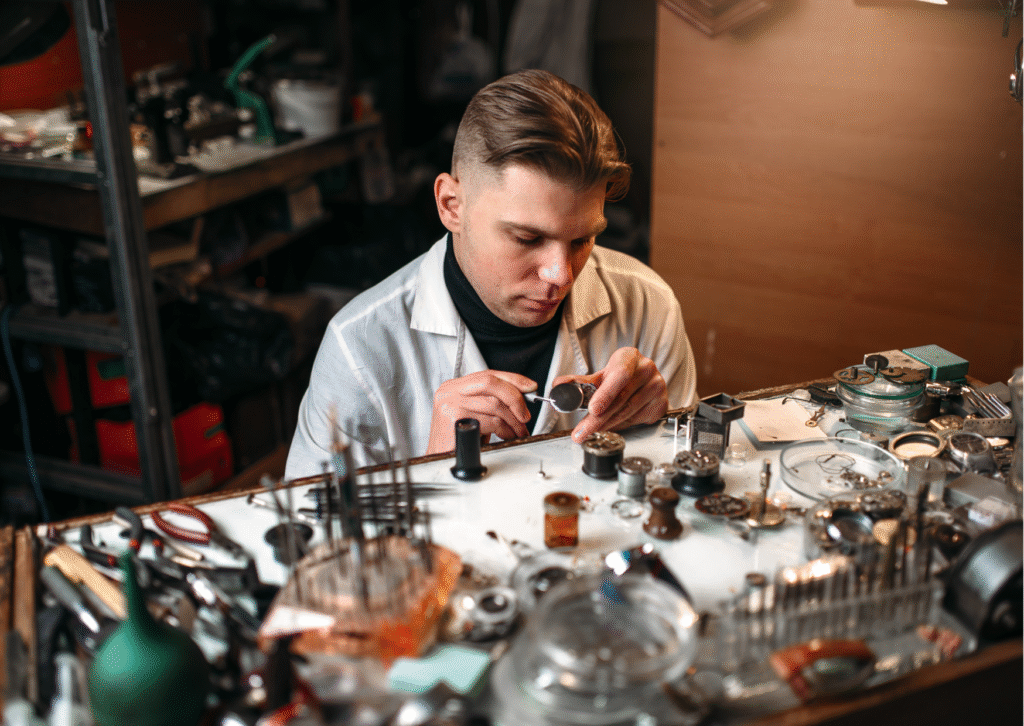
In a narrow lane behind the old post office stands a small workshop with a faded wooden sign: Harris & Timepieces. The sign creaks when the wind blows, and inside, the smell of oil and brass lingers in the air.(Time ) Mr. Harris, now in his eighties, once repaired clocks for the entire town. His fingers tremble, but his eyes still sparkle with patience. Every clock in his shop ticks to a different rhythm, yet he remembers each one’s story — who brought it, when, and why. He showed me a cracked pocket watch one afternoon. “This stopped on the day its owner left for war,” he said softly. “His wife never asked me to fix it — she wanted time to stay still.” Decades later, people still visit, not just for repairs, but to remember. Mr. Harris says he doesn’t fix clocks anymore — he restores memories. His tools may rust someday, but the sound of his workshop — that gentle ticking chorus — is the heartbeat of a town that refuses to forget.vv

Local Voices

The Powerful Street Musician Who Played Hope Through Music

Every evening, as the sun fades behind the town square, the sound of a violin echoes through the cobblestone streets. The musician — an old man named Amir — plays the same wooden instrument he’s carried for forty years. Its varnish is worn, its bow frayed, but when he plays, the air turns golden. People stop to listen — some drop coins, others drop worries. His music doesn’t just fill the streets; it fills the silence in people’s hearts. The way his bow moves across the strings feels like a conversation between joy and sorrow. One rainy night, I found Amir still playing under an umbrella. The rain made a rhythm of its own, tapping gently against the violin case by his feet.“Don’t you ever rest?” I asked, half laughing, half shivering.He smiled and said, “Music doesn’t wait for sunshine. It creates it.” His words stayed with me. Over time, Amir’s melodies became the soundtrack of the town. Shopkeepers opened early just to hear him tune his strings. Children danced barefoot to his songs. Couples lingered a little longer under the glow of streetlights, letting his music wrap around them like warmth. One week, Amir didn’t show up. The street felt wrong without him — too quiet, too empty. People whispered, wondering where he was. Then someone taped a note to his usual spot: “He’s unwell but recovering. Keep the music alive.” And so they did. For the first time, others brought instruments — a boy with a guitar, a girl with a flute, even the baker from the corner tapping a drum. The street sang again, not perfectly, but beautifully. When Amir returned, thinner but smiling, he stopped mid-song and looked around in awe. Flowers and cards surrounded his chair, and his eyes glistened with tears. “Now I know,” he said softly, “I never played alone.” That night, the crowd clapped until the stars came out. It wasn’t a concert — it was a celebration of connection, of how one man’s music had built invisible bridges between hearts. Since then, Amir’s violin hasn’t just been an instrument. It’s been a reminder: that even in the busiest streets, a single song can make strangers feel like family.

Local Voices, Uncategorized

How a Simple Gardener Grew Love, Hope, and Friendship

Behind the library, there’s a small garden that’s become a miracle in motion. It started as an empty lot — dry, forgotten, full of weeds and broken bottles. Then came Nora, a retired nurse with silver hair, patient hands, and eyes that still believed in hope. She saw not dirt, but possibility.(Gardener ) Every morning, she arrived with gloves and seeds. The first few days, no one paid attention. But slowly, children began to watch her dig and hum to herself.“What are you planting?” one asked.Nora smiled. “I’m growing friends,” she said with a wink. At first, they laughed — but they came back the next day. Soon, she had a team of little helpers watering the soil, learning the names of herbs, and painting stones for borders. Parents began to stop by too, bringing tools and old pots from their sheds. Within a year, the lot bloomed with wildflowers, basil, mint, sunflowers, and laughter. The air smelled of earth and second chances. The community renamed it The Friendship Garden. Nora placed a small wooden sign by the entrance: “Take what you need — a plant, a smile, or peace.” And people did. A single mother picked lavender to calm her evenings. A lonely man began showing up just to talk while trimming roses. Teenagers came to help after school — one even built a small bench for people to rest and read. On weekends, someone always brought lemonade or music, and what started as a simple garden grew into something deeper — a living heartbeat of the neighborhood. When winter came, the plants wilted, but the friendships didn’t. People still gathered to share tea, stories, and seeds for spring. “Gardens sleep,” Nora said, “but kindness doesn’t.” Gardener By the next spring, murals of flowers appeared on the library wall. Someone built a birdhouse. Another painted stones with words like Love, Hope, and Together. The once-empty lot had become a sanctuary — proof that growth isn’t just about plants, but people. Now, every time I walk past the garden, I see more than leaves and colors. I see a reminder that even small acts — one seed, one hello, one helping hand — can transform not just the land, but the hearts who tend it. And if you look closely at the garden’s gate, you’ll still find Nora’s old watering can, rusted but steady, waiting for the next dreamer to pick it up.

Uncategorized

A Lonely Street Musician Who Played Hope and Found Love

Every evening, as the sun fades behind the town square, the sound of a violin echoes through the cobblestone streets. The musician — an old man named Amir — plays the same wooden instrument he’s carried for forty years. Its varnish is worn, its bow frayed, but when he plays, the air turns golden. People stop to listen — some drop coins, others drop worries. His music doesn’t just fill the streets; it fills the silence in people’s hearts. The way his bow moves across the strings feels like a conversation between joy and sorrow. One rainy night, I found Amir still playing under an umbrella. The rain made a rhythm of its own, tapping gently against the violin case by his feet.“Don’t you ever rest?” I asked, half laughing, half shivering.He smiled and said, “Music doesn’t wait for sunshine. It creates it.” His words stayed with me. Over time, Amir’s melodies became the soundtrack of the town. Shopkeepers opened early just to hear him tune his strings. Children danced barefoot to his songs. Couples lingered a little longer under the glow of streetlights, letting his music wrap around them like warmth. One week, Amir didn’t show up. The street felt wrong without him — too quiet, too empty. People whispered, wondering where he was. Then someone taped a note to his usual spot: “He’s unwell but recovering. Keep the music alive.” And so they did. For the first time, others brought instruments — a boy with a guitar, a girl with a flute, even the baker from the corner tapping a drum. The street sang again, not perfectly, but beautifully. When Amir returned, thinner but smiling, he stopped mid-song and looked around in awe. Flowers and cards surrounded his chair, and his eyes glistened with tears. “Now I know,” he said softly, “I never played alone.” That night, the crowd clapped until the stars came out. It wasn’t a concert — it was a celebration of connection, of how one man’s music had built invisible bridges between hearts. Since then, Amir’s violin hasn’t just been an instrument. It’s been a reminder: that even in the busiest streets, a single song can make strangers feel like family.

Local Voices

How a Small-Town Baker Baked Love and Unity Daily

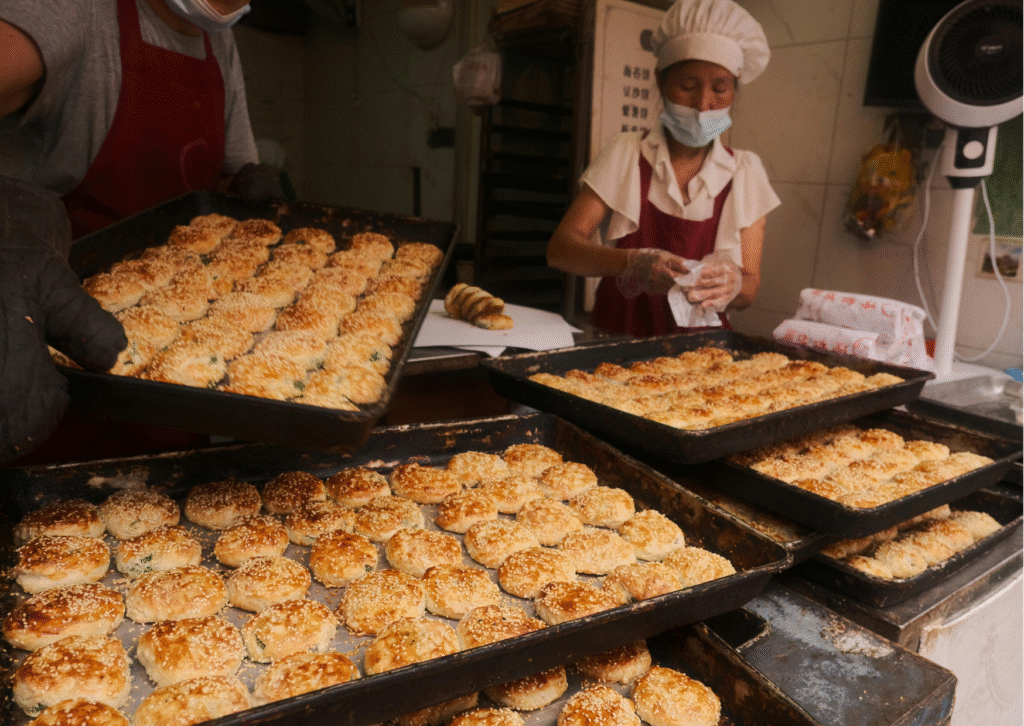
Every morning before sunrise, the aroma of freshly baked bread fills the air on Main Street. The source? A small bakery called Golden Crust, owned by a man named Mateo. For twenty years, his bread has fed the heart of the town — not just with food, but with warmth (Baker ) Mateo doesn’t bake for profit alone. On Sundays, he bakes extra loaves and leaves them in a basket outside his shop with a small handwritten sign: “Take one if you’re hungry.” People started noticing. Some left notes of gratitude. Others began donating ingredients. Soon, the entire town joined in — dropping off flour, sugar, and even volunteering to help. When asked why he does it, Mateo said, “I don’t just bake bread. I bake belonging.” Now, Golden Crust isn’t just a bakery — it’s a symbol of what happens when kindness rises, one loaf at a time.

People of My World

The Dedicated Retired Teacher Still Sharing Powerful Life Lessons

When I first met Mr. Daniels, he was sitting on a park bench feeding pigeons. He looked peaceful, lost in thought. A few days later, I found out he used to be a teacher — one of those rare ones who made everyone believe they could do more. He told me he still tutors a few kids from the neighborhood for free. “I just can’t stop teaching,” he laughed. “But it’s not about books anymore — it’s about courage, kindness, and curiosity.” He once said something I’ll never forget: “The best lessons don’t end in exams — they live in your heart.” Every week, children gather around his bench to learn. Sometimes they read stories, sometimes they talk about their dreams. And when they leave, he waves with the same gentle smile that must have filled hundreds of classrooms. That’s the thing about teachers like Mr. Daniels — they may retire from work, but never from purpose.

Scroll to Top