
Hidden Histories

Uncover forgotten tales and little-known histories that shaped your town, your people, and your identity. From abandoned landmarks to unsung heroes, these stories bring the past to light.
Tags: history, forgotten stories, nostalgia, heritage, storytelling

Hidden Histories

How a Woman’s Hidden Letters Touched Hearts Across Time

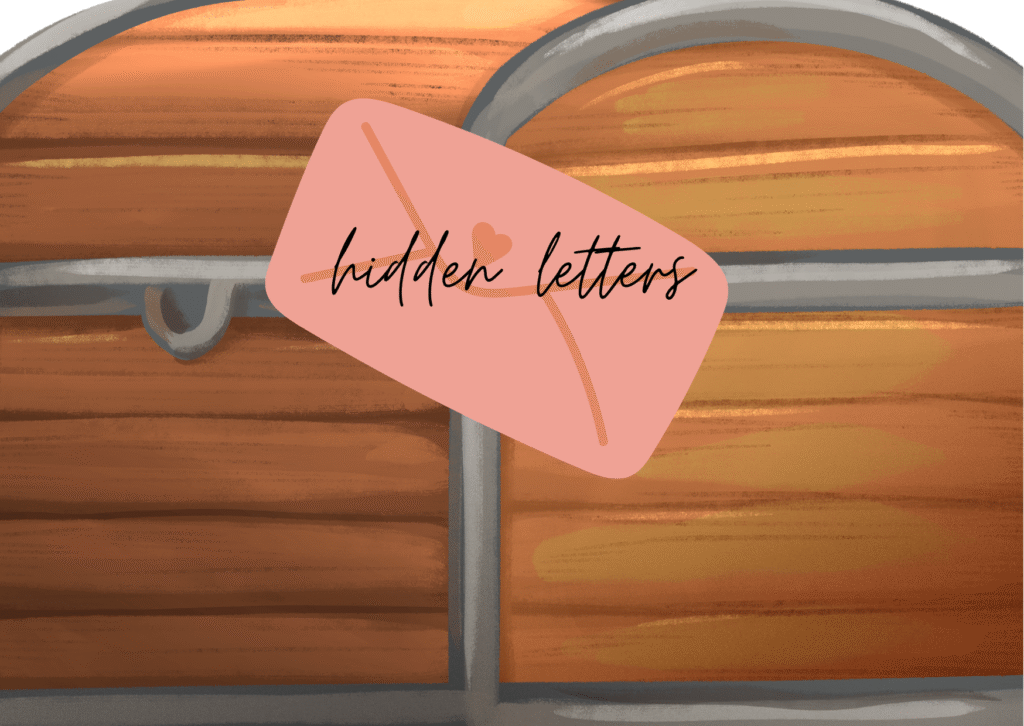
In an old attic, tucked behind stacks of yellowed newspapers and dusty photo albums, a local historian found a small wooden box labeled “To Tomorrow.” Inside were over a hundred handwritten letters — fragile, faded, but still alive with words that refused to be forgotten. They were written by a woman named Eleanor Finch between 1938 and 1952. Each envelope was sealed with care and addressed not to anyone alive — but simply to “Whoever finds this.” Her handwriting danced across the pages in loops of ink, her words gentle but powerful. She wrote about ration lines, her garden filled with marigolds, the ache of waiting for her husband to return from war, and her unshaken belief that love would outlast fear. “If you are reading this,” one letter said, “please take care of the world we only borrowed. Promise me you’ll make it kinder than we left it.” Eleanor’s letters weren’t just a diary — they were a bridge between her world and ours. She didn’t know who would read them, but she trusted that someone, someday, would. When the historian brought the box to the local museum, the curator cried. “It’s not just history,” she whispered, “it’s humanity.” The letters were soon displayed in glass cases under the title “Echoes to Tomorrow.” People lined up to read them. Some smiled, others wiped away tears. Children began writing replies and slipping them into a box beside the display, labeled “Letters Back to Eleanor.” One child’s note read: “Dear Eleanor, the world is still messy, but we’re trying. Your hope helps.” The museum now holds a yearly event called Eleanor’s Evening, where people gather to read her words aloud by candlelight. No screens, no microphones — just voices carrying her messages across decades. Historians later discovered that Eleanor was a schoolteacher who lived quietly and never published a single thing. She didn’t seek fame or recognition. She only wanted to make sure that kindness survived the storm. Her story reminds us that history isn’t always written by leaders or carved in stone. Sometimes it’s whispered in ink, sealed in envelopes, and hidden in an attic — waiting for someone to listen. So if you ever find an old letter, don’t throw it away. Read it slowly. Feel the heartbeat inside every word. Because somewhere, across time, someone like Eleanor wrote it for you.


Hidden Histories

The Powerful Forgotten Theater Beneath the City Awakens Again

Beneath the noise of traffic and modern cafés lies an old theater — The Grand Star, sealed off since the 1970s. Few people know it even exists. But when renovation workers broke through a wall last year, they found red velvet seats covered in dust, and a stage frozen mid-performance. The air smelled of dust and dreams. Posters of old plays still hung crookedly on the walls — “The Tragedy of Roses,” “Moonlight on the Hill.” Someone had written “See you next season” on the backstage mirror. But no season ever came. Through town archives, I discovered that The Grand Star had closed after a fire that never fully destroyed it — only the spirit to rebuild. For fifty years, it waited in silence beneath the city, its chandeliers still dangling, its stories unspoken. Now, artists are petitioning to restore it. “We don’t want to change it,” one said. “We want to let it breathe again.” Sometimes, the past doesn’t need rewriting — it just needs a little light.Beneath the noise of traffic and modern cafés lies an old theater — The Grand Star, sealed off since the 1970s. Few people know it even exists. But when renovation workers broke through a wall last year, they found red velvet seats covered in dust, and a stage frozen mid-performance. The air smelled of dust and dreams. Posters of old plays still hung crookedly on the walls — “The Tragedy of Roses,” “Moonlight on the Hill.” Someone had written “See you next season” on the backstage mirror. But no season ever came. Through town archives, I discovered that The Grand Star had closed after a fire that never fully destroyed it — only the spirit to rebuild. For fifty years, it waited in silence beneath the city, its chandeliers still dangling, its stories unspoken. Now, artists are petitioning to restore it. “We don’t want to change it,” one said. “We want to let it breathe again.” Sometimes, the past doesn’t need rewriting — it just needs a little light.Beneath the noise of traffic and modern cafés lies an old theater — The Grand Star, sealed off since the 1970s. Few people know it even exists. But when renovation workers broke through a wall last year, they found red velvet seats covered in dust, and a stage frozen mid-performance. The air smelled of dust and dreams. Posters of old plays still hung crookedly on the walls — “The Tragedy of Roses,” “Moonlight on the Hill.” Someone had written “See you next season” on the backstage mirror. But no season ever came. Through town archives, I discovered that The Grand Star had closed after a fire that never fully destroyed it — only the spirit to rebuild. For fifty years, it waited in silence beneath the city, its chandeliers still dangling, its stories unspoken. Now, artists are petitioning to restore it. “We don’t want to change it,” one said. “We want to let it breathe again.” Sometimes, the past doesn’t need rewriting — it just needs a little light.

Hidden Histories

A Forgotten Clockmaker Who Stopped Time and Restored Hope

In a narrow lane behind the old post office stands a small workshop with a faded wooden sign: Harris & Timepieces. The sign creaks when the wind blows, and inside, the smell of oil and brass lingers in the air.(Time ) Mr. Harris, now in his eighties, once repaired clocks for the entire town. His fingers tremble, but his eyes still sparkle with patience. Every clock in his shop ticks to a different rhythm, yet he remembers each one’s story — who brought it, when, and why. He showed me a cracked pocket watch one afternoon. “This stopped on the day its owner left for war,” he said softly. “His wife never asked me to fix it — she wanted time to stay still.” Decades later, people still visit, not just for repairs, but to remember. Mr. Harris says he doesn’t fix clocks anymore — he restores memories. His tools may rust someday, but the sound of his workshop — that gentle ticking chorus — is the heartbeat of a town that refuses to forget.vv

Scroll to Top